See the Invisible: Thermal Insight for Healthier Home Landscapes

Today we explore thermal imaging to detect heat and frost pockets in residential landscapes, turning temperature patterns into practical guidance for plant placement, watering, and protection. You’ll learn how to scan at the right moments, interpret color palettes, and act before damage happens. Real stories, simple checklists, and friendly science will help you safeguard blooms, boost yields, and stretch patio seasons. Share your own findings, subscribe for seasonal scanning reminders, and let’s grow a more resilient yard together.

Understanding Backyard Microclimates Through Thermal Vision

Why Cold Air Pools Where It Does

On clear, windless nights, dense, chilled air drifts downslope and settles in depressions, against fences, and beside solid walls. Thermal images highlight these basins by showing cooler tones pooling like a spill. Recognizing contours, dew‑collecting corners, and obstructed airflow helps you relocate vulnerable planters, open gates for drainage, or reshape edges so frigid air escapes rather than lingering where tender leaves and blossoms would otherwise suffer avoidable damage and stunted spring growth.

Reading Palettes and Gradients

Different color palettes can mislead if contrast is exaggerated or muted. Learn to calibrate your view so one degree matters, and watch edges along turf, mulch, stone, and water. Gentle gradients often foreshadow late‑night hotspots or frost basins. By combining isotherm thresholds with careful notes, you can turn artful pictures into actionable maps, clarifying where to harden seedlings, where to add stones for warmth, and where to move containers before temperatures plunge.

Timing Matters: Scanning Windows

Pre‑dawn is ideal because surfaces decouple from daytime heat and contrasts sharpen naturally. However, early evening can reveal retained warmth on masonry and south‑facing beds. After fronts or irrigation cycles, repeat scans to catch transient patterns. Comparing cool, cloudy nights with clear, dry ones teaches how humidity and wind alter readings. Develop a simple calendar: first frost whispers, midwinter lows, early spring bloom risks, and late summer heat waves, each with distinct thermal signatures worth documenting and acting upon.

Resolution, Sensitivity, and Field of View

Even a modest imager can reveal gradients if noise‑equivalent temperature difference is low and optics suit your yard’s scale. Aim for sensitivity of 0.05°C or better when possible, and match field of view to typical distances. Wider lenses help in small courtyards; narrow lenses clarify distant slopes. Combine stills and short videos to capture movement of cool air, then annotate with distances so future comparisons reflect true changes rather than shifting vantage points or unintentional zoom differences.

Emissivity and Surface Differences

Leaves, mulch, soil, stone, water, and painted metal radiate energy differently. Adjust emissivity presets or apply corrections so absolute readings are sensible across materials. For mixed scenes, emphasize relative patterns rather than exact numbers, then ground‑truth with a reliable contact thermometer. Moisture darkens and cools surfaces; freshly watered beds can mimic frost pockets without actually threatening plants. Keeping notes on materials, color, and moisture content will make repeat surveys more consistent, dependable, and easier to interpret confidently over time.

Avoiding Reflective and Environmental Pitfalls

Glass, polished stone, and metal can mirror the sky or your own body heat, introducing misleading hotspots or cold streaks. Angle the camera, use matte targets for calibration, and favor cloudy twilight or pre‑dawn sessions to minimize reflections. Record wind speed, humidity, and recent irrigation, because evaporation can dominate readings. Keep your lens clean, stabilize with a monopod, and build a simple shot list so you capture the same perspectives each session, enabling clean comparisons and meaningful trend tracking.

Turning Images into Smarter Planting and Design Choices
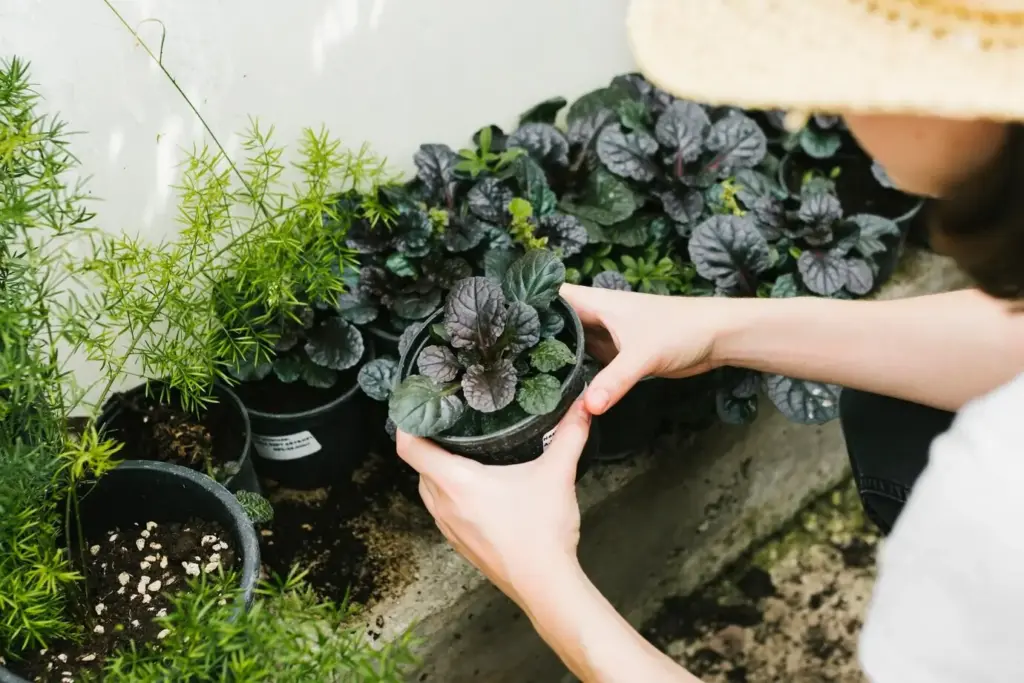
The power of thermal observation lives in action. Once you see persistent cold traps or heat islands, adjust plant choices, bed heights, and hardscape layouts to harmonize with reality. Use stones and water features as heat sinks or cooling buffers, and redirect airflow with hedges or trellises. Combine your notes with local frost dates to stage protective measures on time. Over weeks, your yard becomes kinder to tender varieties and more comfortable for people lingering outdoors.

A Homeowner’s Frost Protection Playbook
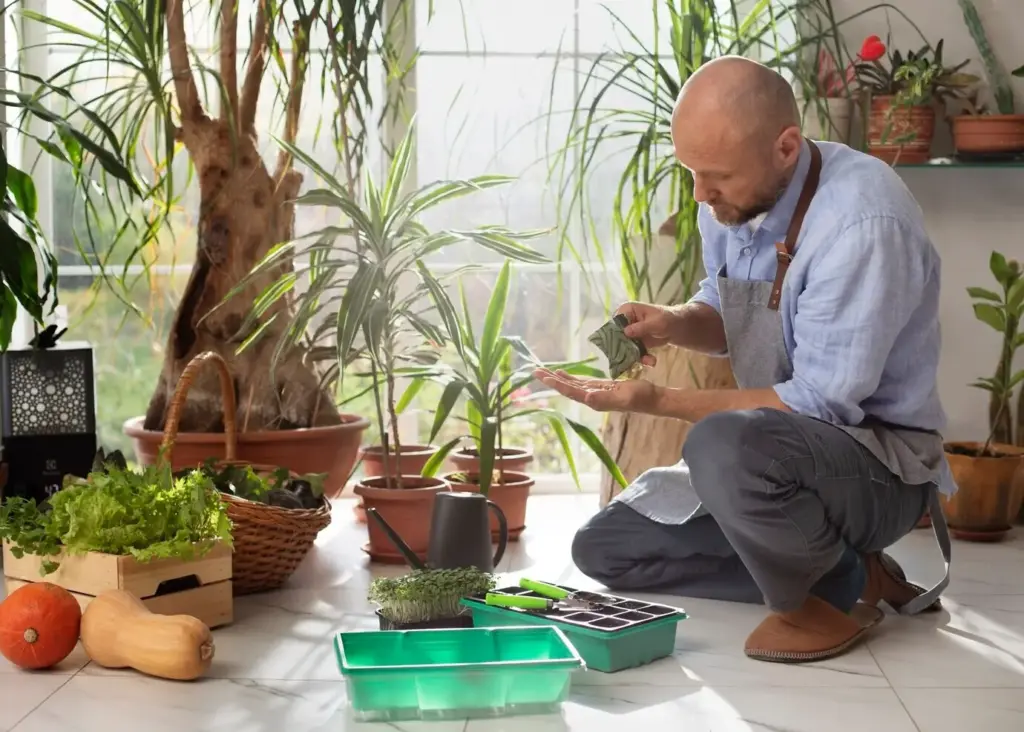
Cold snaps will come, but preparation turns panic into simple routines. Use your maps to stage covers, set out water barrels as thermal ballast, and cue small fans to stir trapped air on critical nights. Pre‑dawn checks confirm where blankets matter. You’ll learn safe ways to anchor fabrics, when to water, which lights help without scorching leaves, and how to uncover gradually after sunrise. The goal is confidence: fewer losses, happier buds, and calm mornings after icy forecasts.

Stories from the Yard: Lessons That Stick

Respectful, Safe, and Neighbor-Friendly Imaging

Pointing cameras around homes deserves care. Scan only your property, avoid windows and people, and comply with local rules for drones or late‑night activity. Store images securely, and delete frames that inadvertently capture private interiors. Be mindful of wildlife, pets, and sleeping neighbors when moving lights or fans. Communicate your plan, invite questions, and share before‑and‑after results to inspire rather than alarm. Responsible habits keep the focus on healthier yards, warmer gatherings, and resilient plantings through shifting seasons.
Beronixaluphulio
Privacy Overview

This website uses cookies so that we can provide you with the best user experience possible. Cookie information is stored in your browser and performs functions such as recognising you when you return to our website and helping our team to understand which sections of the website you find most interesting and useful.