See Your Garden Differently: Mapping the Microclimates at Home
Start With Observation: Sensing Sun, Shade, Wind, and Water

Simple Tools That Make Invisible Patterns Visible
Use a Thermometer and Infrared Readings
Compare shaded soil, sunlit paving, and sheltered corners at identical times. Point an infrared thermometer at bricks, mulch, leaves, and water surfaces. The numbers reveal thermal mass effects and late-day radiance, guiding where to ripen tomatoes, protect seedlings, or cool salad beds with strategic shade cloth.
Log Temperature and Humidity with Budget Sensors
Small USB or Bluetooth loggers quietly record hourly conditions. Clip one near a south wall and another beneath a fruit tree canopy; differences can exceed ten degrees. After a week, download data, graph highs and lows, and match spikes to your notes about wind, cloud, and rain.
Map Light with a Sun Path and Shadow Diary
Use a sun path app or printed chart to anticipate seasonal altitude and azimuth changes. Sketch shadow edges at hourly intervals on a sunny day, repeating monthly. This evolving diary helps position trellises, prune selectively, or place reflective surfaces to brighten darker beds without high energy input.
Create a Base Plan from Steps or Satellite
Layer Colors for Temperature, Moisture, and Wind
Update with Seasons to Catch Shifts
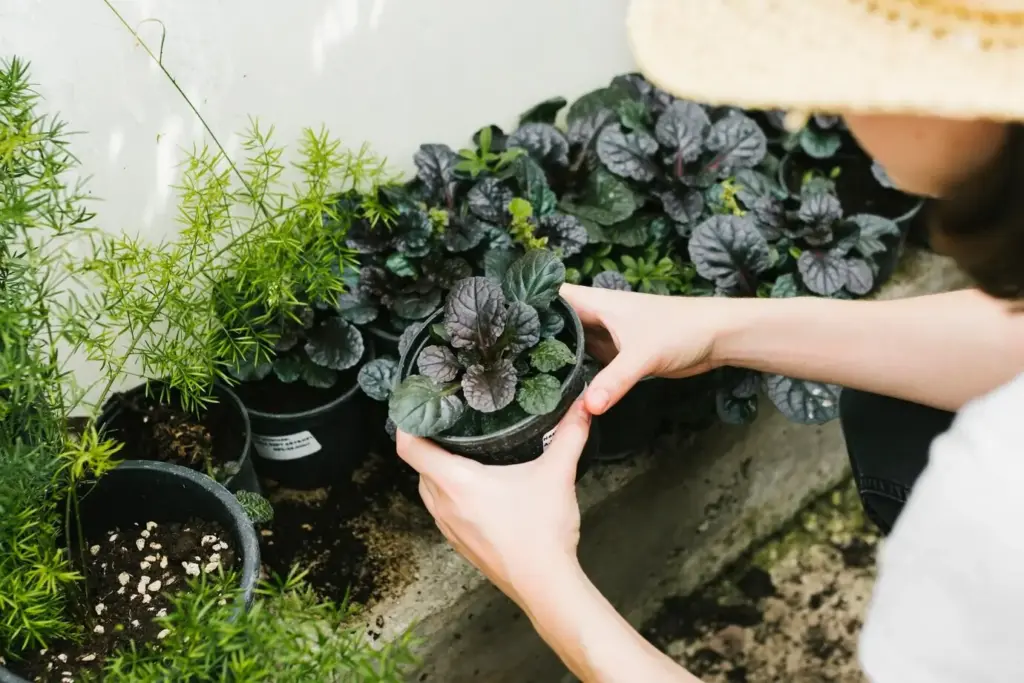
Planting Choices That Harness Each Nook's Character
Real Stories: Small Adjustments, Big Harvests
South Wall Tomatoes Beat the Late Frost
Shade-Tolerant Herbs Thriving by the Fence
Mulch and Drip Transform a Dry Bed

All Rights Reserved.