Simple Instruments, Big Insights
A min–max thermometer near suspected frost spots tells truths that guesswork hides. A cheap soil thermometer reveals when beds genuinely hit planting thresholds instead of when the calendar teases. Small data loggers tucked by a stone wall map nightly temperature curves. Even colored flags marking morning shade edges help reveal drift as seasons turn. Pair these tools with quick notes—date, time, weather vibe—and watch your understanding sharpen from fuzzy impressions into dependable, repeatable patterns that confidently guide every bed layout.
Phenology as a Calendar You Can Trust
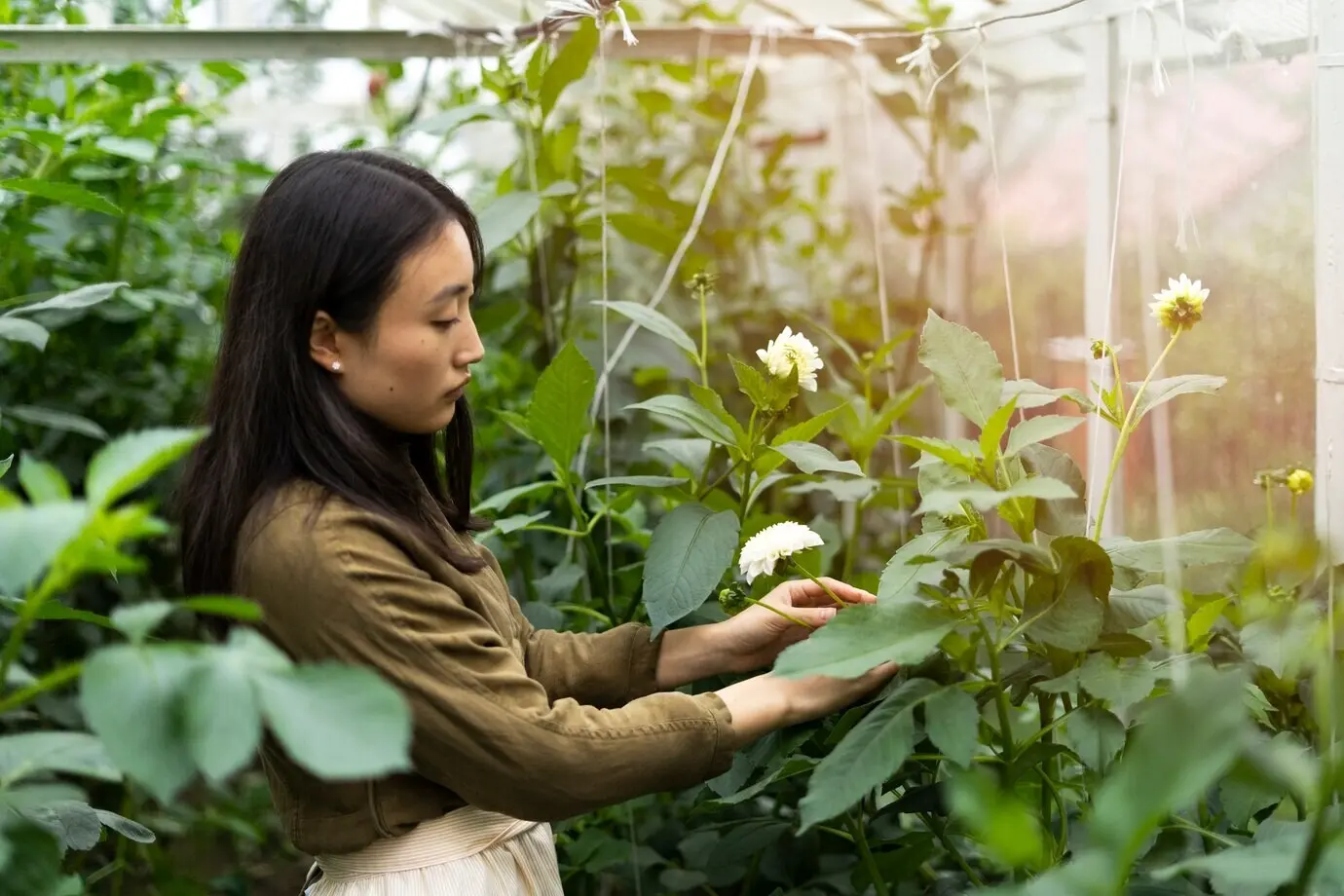
Let plants and wildlife become your timekeepers. When lilacs open, soil usually warms enough for many crops; when oak leaves reach squirrel-ear size, it often signals safe transplanting for tender starts. First firefly flashes, first swallowtail sighting, or the neighbor’s peony bloom can each anchor decisions better than fixed dates. Write these markers beside temperature observations and shade sketches. Over seasons you’ll build a local calendar natural to your garden’s rhythm, resistant to strange springs and unsettled autumns.
Photo Mapping and Time‑Lapse Diaries
Set a weekly phone reminder to snap photos from the same three spots: north fence, patio corner, and alley gate. Shadows, leaf density, and ground moisture reveal themselves frame by frame. Add quick captions—windy, soggy, brilliant—then drop images onto a simple map or digital album. Time-lapse reveals shade creep, puddling patterns, and where heat visibly shimmers in late afternoon. You’ll notice what once slipped past attention, translating subtle seasonal changes into mapping choices you can trust.