Grow Smarter: Plant Layouts Shaped by Your Yard’s Microclimates
Today we dive into designing plant layouts using yard microclimate zones, turning sunlight angles, wind patterns, and moisture pockets into allies. You’ll learn to map subtle conditions, group compatible plants, and build resilient, beautiful beds that flourish through seasons while saving water, effort, and disappointment.
Map the Invisible: Sun, Wind, Water, Heat
Before placing a single seedling, spend time reading the site like a living map. Track shadows through the day, feel afternoon gusts, notice where dew lingers, and touch walls radiating stored warmth. These observations reveal distinct zones that guide practical planting decisions that work season after season.






Matchmaking Plants and Places
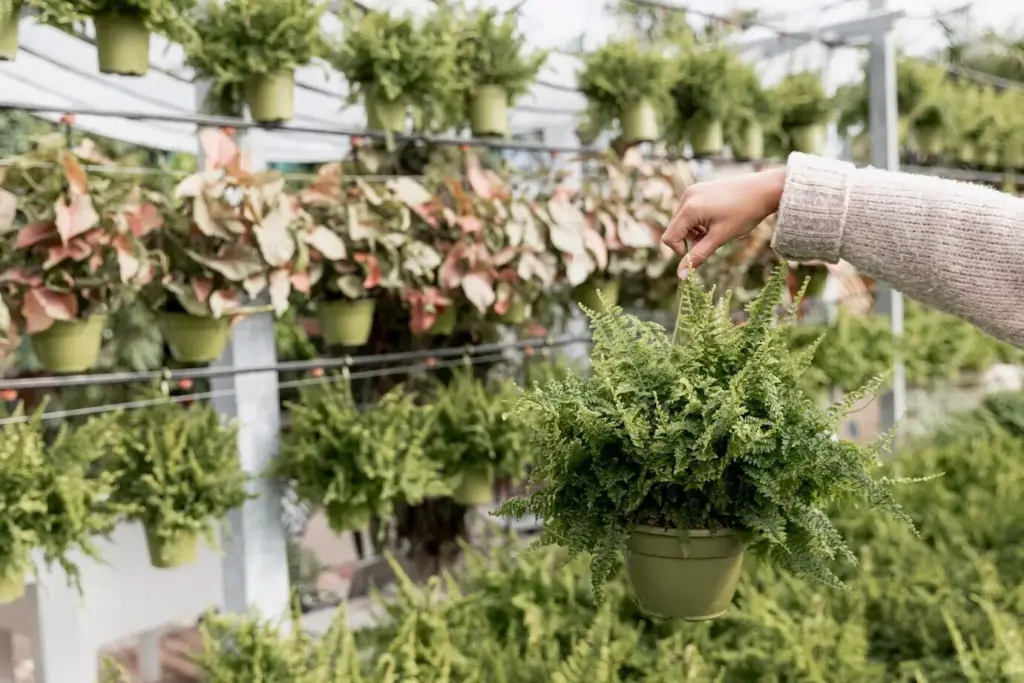
Group species by shared comfort zones instead of forcing uniform care. Heat-loving peppers thrive beside south-facing masonry, while ferns and hostas rest in cool, moist understories. This alignment reduces stress, simplifies irrigation, and creates lush, layered compositions that look intentional and grow effortlessly.
Patterns That Guide Movement and Growth
Let microclimates shape paths, seating, and bed geometry. Curved borders can scoop breezes into hot corners, while stepping stones keep feet off saturated soils. When circulation follows comfort, you visit more often, notice changes sooner, and refine care before small issues escalate.
Edges That Work
Edges are engines: warm brick invites thyme, cool mulch welcomes violets, and metal railings radiate both heat and character. Designing transitions so they moderate extremes turns once-problematic borders into productive ribbons where herbs, pollinator flowers, and compact edibles happily intertwine.

Paths with Purpose
Route traffic through the most stable zones, placing stepping stones where soils stay firm and fragrant plants brush ankles without stress. Comfortable paths invite curiosity, making pruning, harvesting, and pest checks quick rituals rather than chores postponed until problems multiply.

Seating Where Plants Shine
Place benches where scent collects on still evenings and where soft shade protects midday readers. Consider reflected light for winter warmth and elevated vantage points after rain. Your favorite perch becomes a microclimate classroom, guiding small design tweaks that compound across seasons.
Water-Wise Layouts by Zone
Irrigation Circuits that Make Sense
Zone emitters by exposure, soil, and plant maturity so each bed receives what it actually needs. Drip lines in hot, reflective areas differ from shaded, loamy corners. Smart controllers and moisture sensors finish the job, preventing stress without wasting a drop.
Rain Capture, Swales, and Basins
Shape gentle earthworks that slow water, spread it across contour, and sink it into the root zone. Roof downspouts can feed small basins near fruit shrubs, while mulch strips prevent crusting, turning storms into deep reserves that quietly sustain growth between showers.
Soils that Hold and Breathe
Blend compost, mineral amendments, and textured mulches to create sponges that store moisture yet drain cleanly. In hot zones, thicker organic blankets curb evaporation; in cooler corners, lighter coverings warm faster. This responsive layering keeps microbial life humming and roots resilient.
Seasonal Shifts and Resilience
Microclimates are not fixed; they breathe with the calendar. Understand frost pockets in valleys, heat banks against brick, and monsoon gusts that topple tall stems. Plant for redundancy, stagger flowering times, and embrace diversity so your landscape thrives through inevitable surprises.
Plan, Plant, Observe, Iterate
Lay hoses to mimic bed edges, shift movable containers through sun and wind, and watch plant responses for a week. This playful rehearsal catches mistakes cheaply, ensuring permanent beds capture comfort, color, and access exactly where conditions consistently support thriving growth.
Write maintenance calendars per zone, not per plant. Prune heat-stressed edges earlier, check irrigation in reflective corners weekly, and delay fertilizing cool pockets until soil warms. Aligning care with lived conditions reduces frustration and frees energy for creativity, learning, and calm enjoyment.
Post your microclimate maps, planting wins, and tricky corners in the comments, and subscribe for seasonal checklists. Swap stories with neighbors who share similar breezes or slopes. Collective insight accelerates progress, turning hard-earned lessons into shared shortcuts that make gardens kinder places.


All Rights Reserved.